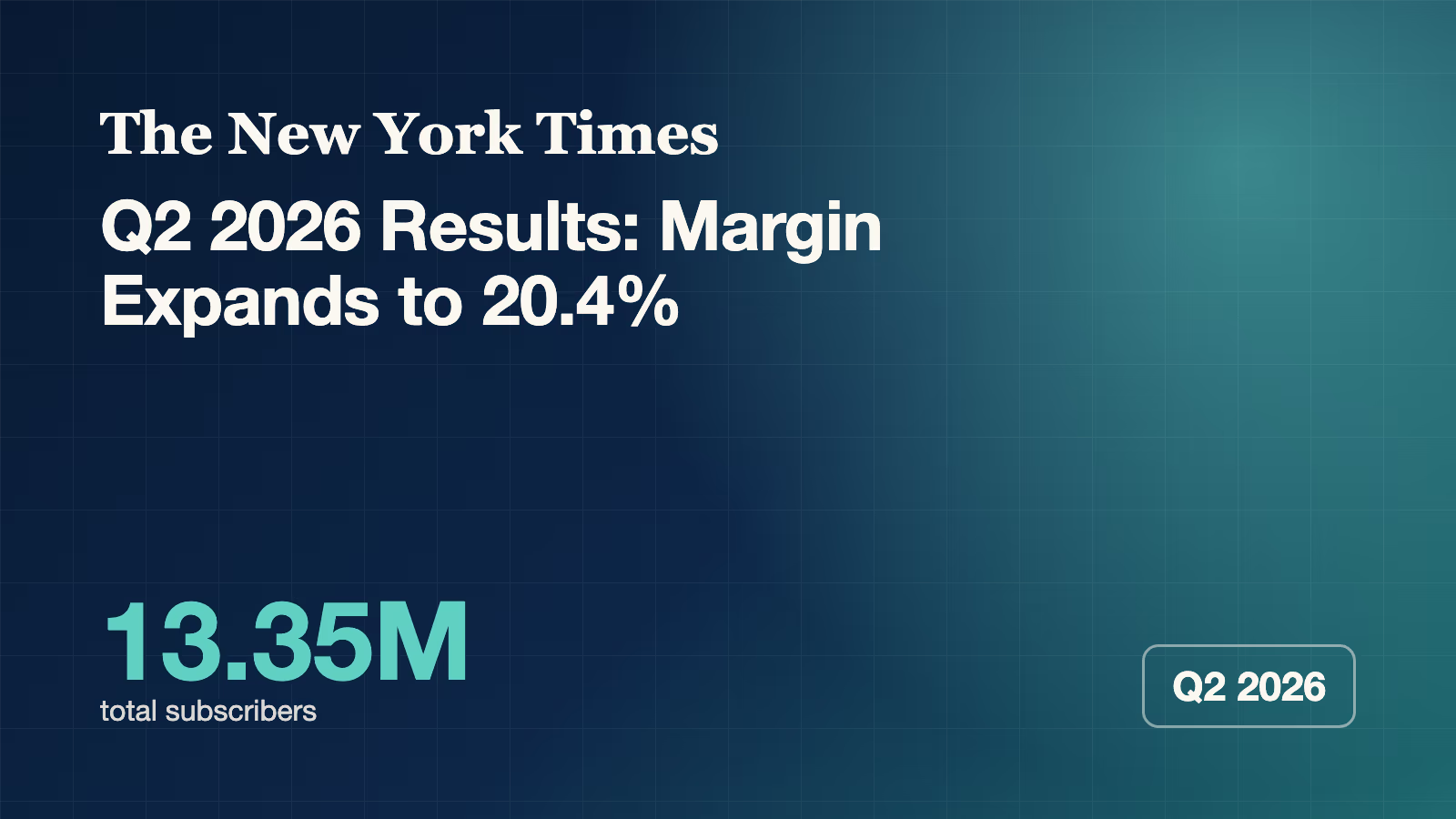
The New York Times added about 280,000 net digital-only subscribers in the second quarter of 2026, bringing its total to 13.35 million subscribers. Revenue rose 11.2% to $762.5 million, and the adjusted operating profit margin expanded to 20.4%.
For publishers running a subscription business, the New York Times Q2 2026 results show what happens as a mature subscriber base keeps growing while ARPU climbs. This review covers the key numbers, five takeaways, and what to apply to your own subscription strategy.
Scope and Snapshot
The New York Times Company reported its second-quarter 2026 results on August 5, 2026. All figures below come from the company's Q2 2026 earnings release filed with the SEC, and comparisons are to Q2 2025.
Q2 2026 key results:
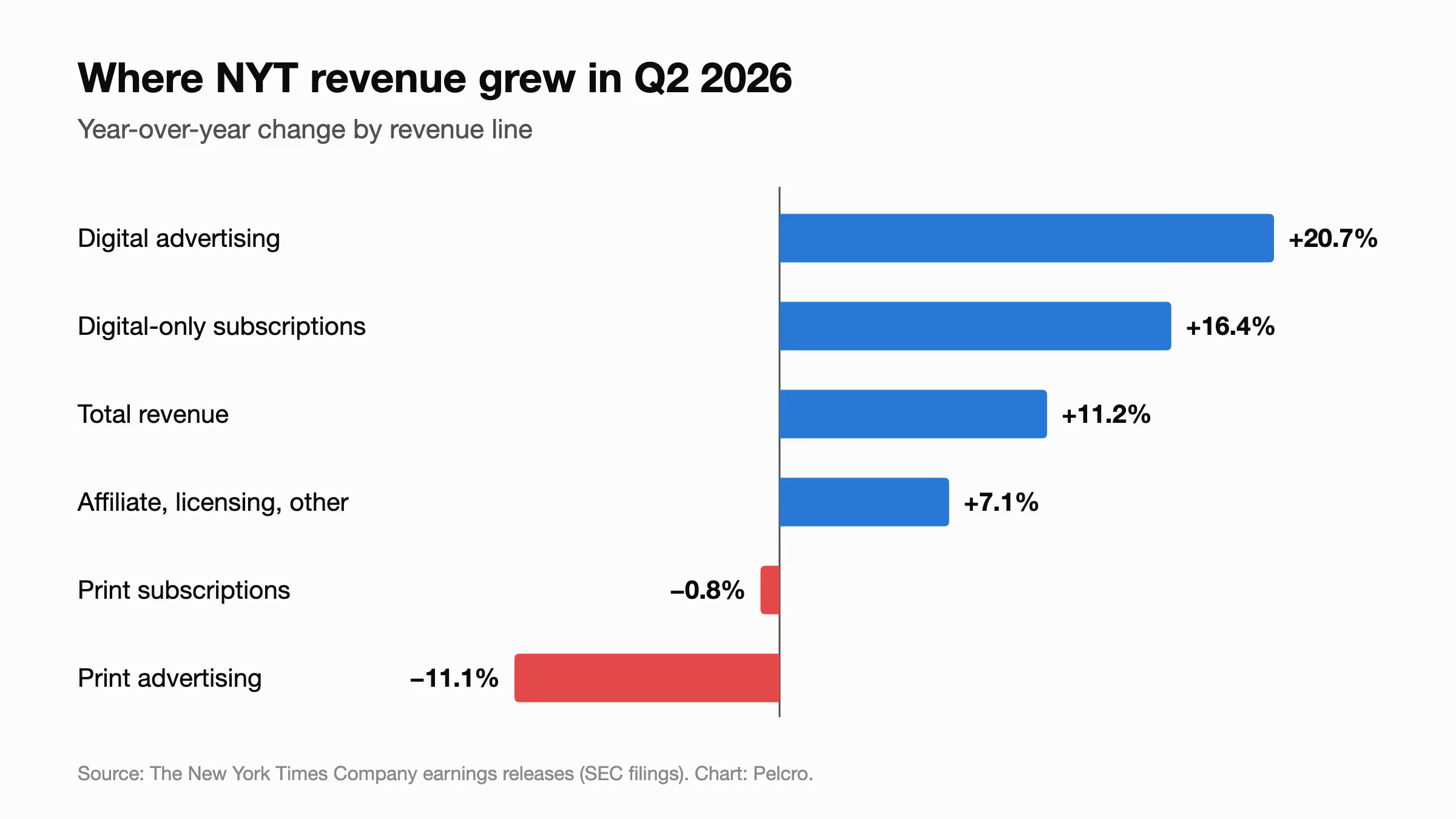
- Total revenue: $762.5M (+11.2% YoY)
- Digital-only subscription revenue: $407.9M (+16.4%)
- Digital advertising revenue: $114.0M (+20.7%)
- Print advertising revenue: $35.2M (-11.1%)
- Affiliate, licensing and other revenue: $75.5M (+7.1%)
- Operating profit: $118.0M (+10.8%)
- Adjusted operating profit: $155.3M (+16.1%)
- Digital-only net adds: about 280,000
- Total subscribers: 13.35M, including 12.80M digital-only
- Digital-only ARPU: $9.94 (+3.1%)
Keypoint 1: Net Adds Slow, Revenue Growth Does Not
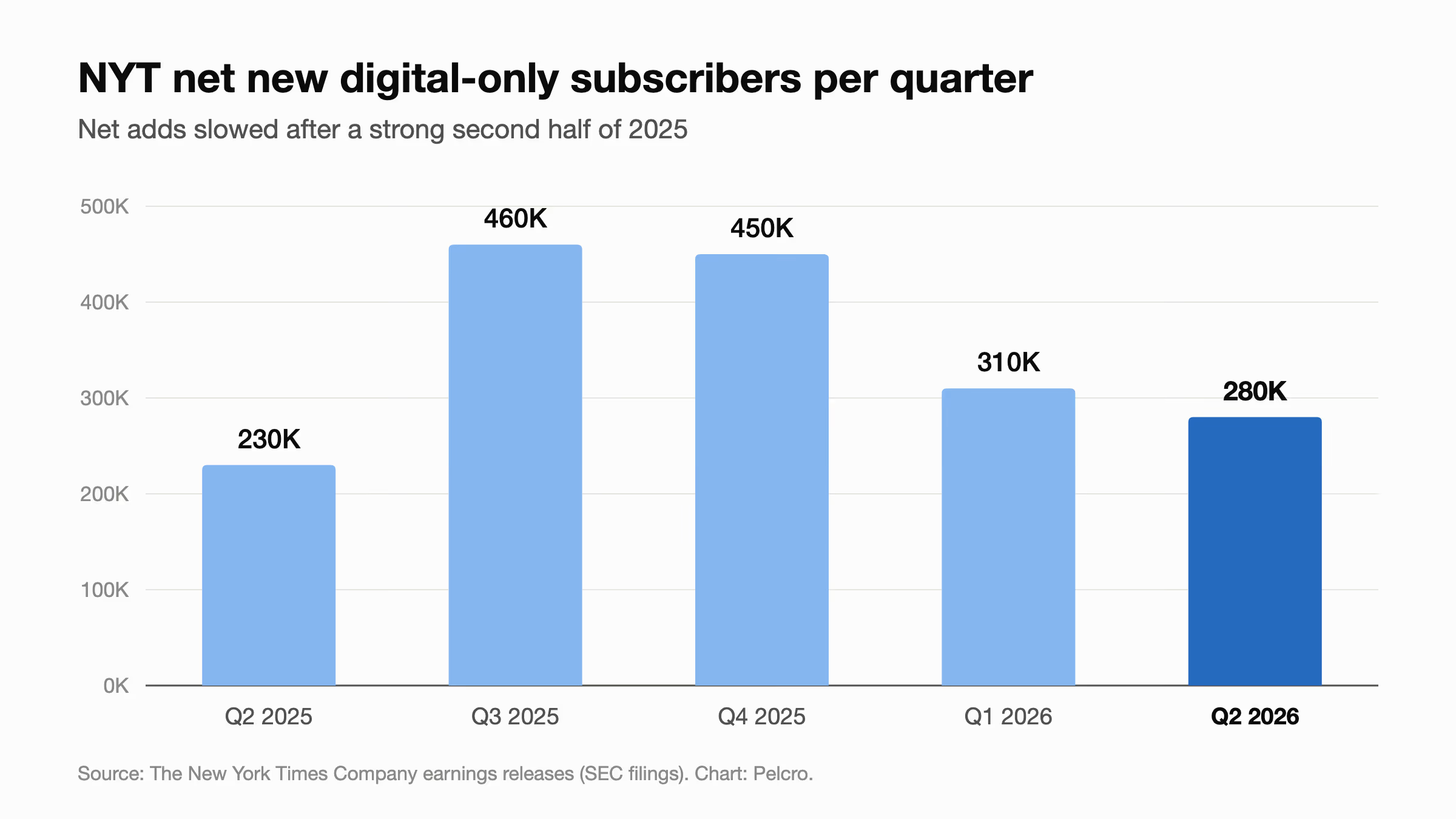
The Times added about 280,000 digital-only subscribers, down from about 310,000 in Q1 2026 and about 460,000 and 450,000 in Q3 and Q4 of 2025. Over twelve months, though, the digital-only base still grew by about 1.5 million to 12.80 million.
Digital-only subscription revenue grew 16.4%, slightly faster than the 16.1% in Q1. Fewer new subscribers did not mean slower revenue, because existing subscribers are paying more.
What to expect:
The company guided Q3 2026 digital-only subscription revenue growth to 12% to 15%, a step down from Q2's 16.4%. Growth is expected to continue, at a slower pace.
Why it matters:
At scale, revenue growth shifts from acquisition to monetization. A publisher with a large base of discounted subscribers has growth built in, as long as those subscribers stay when their price rises.
Keypoint 2: ARPU Hits $9.94
Digital-only ARPU rose 3.1% to $9.94, the highest of the last five quarters. As in Q1, the company credits subscribers moving from promotional to higher prices and price increases on certain tenured subscribers.
What to expect:
The pattern of discounted acquisition followed by gradual price step-ups looks set to continue. Each new cohort becomes a source of ARPU growth a year or two later.
Why it matters:
ARPU growth is the quieter half of subscription economics. Tracking revenue per subscriber by cohort, and knowing when each cohort reaches full price, is how a publisher forecasts revenue instead of guessing.
Keypoint 3: Digital Advertising Keeps Growing
Digital advertising revenue rose 20.7% to $114.0 million on strong marketer demand and more advertising supply. Print advertising fell 11.1% to $35.2 million, and total advertising grew 11.3% to $149.1 million.
Affiliate, licensing and other revenue rose 7.1% to $75.5 million, helped by higher Wirecutter affiliate referral revenue, which the company says benefited from a shift in the timing of a partner's promotion.
Why it matters:
The Times now earns more than three dollars of digital advertising for every dollar of print advertising. Publishers with an engaged, known audience can build a digital ad business that outgrows the print decline.
Keypoint 4: Margins Expand Despite Heavier Spending
Operating costs rose 11.2% to $644.4 million, and adjusted operating costs rose 10.0%, driven by newsroom compensation and higher marketing and promotion spending. Sales and marketing costs jumped 23.6% to $85.5 million.
Even so, adjusted operating profit grew 16.1% to $155.3 million, and the adjusted margin rose about 90 basis points to 20.4%. Free cash flow for the first half of 2026 was $265.7 million, up from $193.2 million a year earlier.
Reported operating profit included two special items: $4.6 million of generative AI litigation costs and a $9.2 million charge for withdrawing from a multiemployer pension plan.
Why it matters:
The Times is spending more on marketing while net adds slow, which suggests acquisition is getting more expensive. Publishers should watch acquisition cost per subscriber closely and weigh it against lifetime value, not just headline subscriber growth.
Keypoint 5: Video Joins the Strategy
In the earnings release, CEO Meredith Kopit Levien named video as an opportunity the company is leaning into, alongside its journalism and lifestyle products. The Times' bundle already includes news, The Athletic, Audio, Cooking, Games, and Wirecutter.
What to do:
Look at which formats your audience already consumes outside your site, such as video, audio, or newsletters, and test whether one of them can become a paid product or a reason to upgrade.
Why it matters:
Every product in the bundle is another reason to stay subscribed. Adding a format your audience already wants raises the value of the subscription without discounting the price.
How Pelcro Helps Publishers Grow ARPU Without Losing Subscribers
Pelcro is a subscription and billing platform built for publishers. The New York Times Q2 2026 results show that growth at scale depends on moving subscribers from introductory pricing to full price without losing them, and that is exactly the workflow Pelcro handles.
With Pelcro you can create targeted promotions that step up to full price on a schedule, and manage which products each plan unlocks with entitlement management. Adding a new product, such as a video series or a newsletter, to an existing bundle becomes a plan change.
At renewal, Pelcro's client portal gives subscribers self-service options to switch plans instead of cancelling, and AI Billing lets your team set up plans and renewal pricing in plain English.
To see how the Wall Street Journal performed over the same April to June period, read our Wall Street Journal Q4 fiscal 2026 review, or browse all industry reports.
Frequently Asked Questions
How many subscribers did The New York Times have in Q2 2026?
The New York Times ended Q2 2026 with about 13.35 million total subscribers, including about 12.80 million digital-only subscribers. It added about 280,000 net digital-only subscribers in the quarter.
What was The New York Times revenue in Q2 2026?
Total revenue was $762.5 million, up 11.2% from $685.9 million in Q2 2025. Digital-only subscription revenue was $407.9 million, up 16.4%.
Why did The New York Times add fewer subscribers in Q2 2026?
The company added about 280,000 digital-only subscribers, compared with about 310,000 in Q1 2026 and about 230,000 in Q2 2025. The earnings release does not give a single reason for the quarter-to-quarter change, but it does show higher marketing and promotion spending.
What is The New York Times guidance for Q3 2026?
The company expects digital-only subscription revenue to grow 12% to 15% and adjusted operating costs to grow 8% to 9% in Q3 2026 compared with Q3 2025. It also expects digital advertising revenue to grow in the mid-to-high teens.